Beginner’s Guide to SEO in 2026
If you want your website to attract more visitors without depending completely on paid ads, this guide to SEO will help you understand the fundamentals. Search Engine Optimization (SEO) is the process of improving a website so that search engines can understand, rank, and show it to the right audience. Whether you are a business owner, student, or marketer, learning SEO can create long-term online growth.
SEO is not only about rankings—it is about creating a better experience for users while making content easier to discover.
What Is SEO?
SEO stands for Search Engine Optimization. It involves improving different areas of a website to increase visibility on search engines. When someone searches for a service, product, or information, SEO helps your content appear in relevant results.
A successful SEO strategy combines technical improvements, content quality, keyword research, and user experience.
The major types of SEO include:
- On-page SEO
- Off-page SEO
- Technical SEO
- Local SEO
Each area contributes to improving search performance and helping websites reach the right audience.
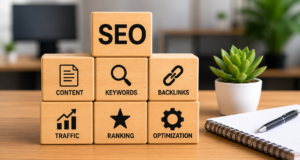
Guide to SEO: Key Elements You Should Focus On
In this guide to SEO, understanding the core elements of optimization is essential for building a strong online presence. From researching the right keywords to improving website performance and creating valuable content, each factor plays an important role in helping websites rank better and reach the right audience.
1. Keyword Research
Keyword research helps identify what users are searching for online. Instead of targeting broad terms only, focus on relevant keywords with clear search intent.
Good keyword research helps you:
- Understand audience behavior
- Create relevant content
- Improve visibility
Choose primary and secondary keywords naturally throughout your content.
2. Create High-Quality Content
Content remains one of the strongest SEO factors. Search engines prioritize pages that answer user questions clearly.
Strong content should:
- Solve problems
- Be easy to read
- Include headings and structure
- Offer value to readers
Publishing useful content consistently builds trust and authority.
3. Optimize On-Page SEO
On-page SEO includes optimizing elements directly on your website.
Important areas:
- Page titles
- Meta descriptions
- Headings
- Internal links
- Image optimization
- URL structure
These changes make pages easier for both users and search engines to understand.
4. Improve Technical SEO
Technical SEO focuses on website performance and accessibility.
Areas to optimize:
- Website speed
- Mobile responsiveness
- Secure browsing (HTTPS)
- Crawlability
- Structured site architecture
A technically healthy website supports better rankings and user experience.
Build Authority with Off-Page SEO
As explained in this guide to SEO, off-page SEO refers to actions outside your website that improve credibility and help strengthen search visibility over time.
Examples include:
- Earning quality backlinks
- Brand mentions
- Social sharing
- Guest posting
Quality matters more than quantity. Trusted references can strengthen website authority over time.
Why User Experience Matters in SEO
As explained in this guide to SEO, search engines increasingly prioritize user satisfaction because a positive experience encourages visitors to stay longer and interact more with your website.
To improve user experience:
- Make navigation simple
- Reduce loading time
- Use readable typography
- Add clear calls to action
- Organize content with headings
Visitors who stay longer and interact more send positive signals.
Common SEO Mistakes to Avoid
As explained throughout this guide to SEO, many beginners make avoidable mistakes that slow down website growth and reduce search visibility.
Common issues:
- Keyword stuffing
- Publishing thin content
- Ignoring mobile optimization
- Broken internal links
- Slow website performance
- Skipping analytics tracking
SEO works best when improvements are consistent and user-focused.
Measuring SEO Success
Tracking performance helps you understand whether your efforts are delivering meaningful results. As explained throughout this guide to SEO, measuring progress allows you to identify what is working and where improvements are needed.
Monitor:
- Organic traffic
- Keyword rankings
- Click-through rate
- Conversion rate
- Engagement metrics
SEO is a long-term process. Results may not appear immediately, but consistent optimization often creates sustainable growth.
Conclusion
SEO is a long-term strategy that helps websites improve visibility, attract relevant traffic, and build sustainable online growth. By focusing on keyword research, quality content, technical improvements, and user experience, businesses can create a stronger digital presence over time.
If you’re ready to apply the insights from this guide to SEO and strengthen your online presence, connect with a Digital Marketing Strategist in Kannur to create a customized SEO and digital marketing plan tailored to your business goals. With the right strategy, you can improve brand awareness, attract quality leads, increase conversions, and build long-term business success in today’s competitive digital landscape.
